How Clinics Ensure Safety In Cosmetic Dental Procedures
Safe cosmetic dentistry starts with protecting the health and function of your natural teeth, not simply improving their appearance. Before whitening, veneers, bonding or a larger smile makeover, a reputable clinic assesses your oral health, identifies potential risks and plans treatment around your individual teeth, gums and bite.
For adults considering cosmetic dentistry in Newcastle, understanding these safeguards can make the treatment process much clearer. From initial examinations and infection control to careful material selection and digital planning, several clinical steps happen before cosmetic work even begins.
On this page:
- How Do Dentists Assess You Before Cosmetic Dental Treatment?
- Why does your medical history matter?
- Why Should Dental Problems Be Treated Before Cosmetic Work?
- How Do Clinics Prevent Infection During Cosmetic Dental Procedures?
- What happens to reusable dental instruments?
- How Does Treatment Planning Make Cosmetic Dentistry Safer?
- How Do Digital Smile Design and Mock-Ups Reduce Risk?
- Why does seeing the proposed result beforehand matter?
- How Is Safety Managed During Teeth Whitening?
- How Do Dentists Protect Natural Teeth When Placing Veneers?
- How Is Dental Bonding Planned Safely?
- How Do Dentists Manage Pain and Dental Anxiety?
- Why Do Materials and Techniques Matter in Cosmetic Dentistry?
- What Should Patients Expect Before Agreeing to Cosmetic Dental Treatment?
- How Can You Choose Cosmetic Dentistry in Newcastle With Safety in Mind?
- Frequently Asked Questions
How Do Dentists Assess You Before Cosmetic Dental Treatment?
A cosmetic consultation should involve more than discussing the colour, shape or appearance you would like for your teeth. Your dentist first needs to determine whether your teeth and gums are healthy enough for the proposed procedure.
Before any cosmetic work begins, a thorough check-up with your dentist in Newcastle can help identify issues that may need treatment first. Depending on your circumstances and proposed procedure, this assessment may include examining your teeth and gums, discussing your medical and dental history, assessing your bite and using appropriate diagnostic imaging.
Your dentist will also want to understand what you hope to change. This helps distinguish between a cosmetic concern that can be addressed conservatively and one that may require a different dental approach.
Why does your medical history matter?
Your overall health can influence dental treatment. Medical conditions, allergies and medications may affect issues such as healing, bleeding, oral health or the suitability of particular treatment options.
Providing an accurate medical history gives your dentist information they need when assessing potential risks. Tell your clinic about relevant health changes and medications rather than assuming they won't matter because the procedure is cosmetic.
Why Should Dental Problems Be Treated Before Cosmetic Work?
Cosmetic treatment needs a healthy foundation. Placing a veneer or bonding material over a tooth doesn't resolve underlying decay, while whitening teeth without first investigating sensitivity or other dental problems may lead to avoidable discomfort.
Gum health matters as well. Inflamed or unhealthy gums can affect treatment planning and the appearance of the finished smile, particularly where veneers or bonding meet the gumline.
Bite problems can also influence cosmetic work. If particular teeth experience excessive forces, simply changing their shape without considering how the upper and lower teeth meet could place unnecessary stress on the restoration.
For this reason, the team providing cosmetic dentistry Newcastle patients consider should assess oral health as part of treatment planning rather than treating appearance in isolation.
How Do Clinics Prevent Infection During Cosmetic Dental Procedures?
Dental clinics use infection prevention and control procedures designed to protect patients and staff from cross-contamination. These protocols apply to cosmetic dentistry just as they do to other clinical dental treatments.
According to accepted Australian dental infection-control principles, clinics should use appropriate cleaning, sterilisation, hand hygiene and personal protective equipment procedures. Instruments that require sterilisation undergo defined reprocessing before reuse, while appropriate single-use items are discarded after treatment.
Treatment areas and equipment also require cleaning and management between patients. These procedures form part of routine clinical practice rather than an optional extra reserved for more invasive dental work.
What happens to reusable dental instruments?
Reusable instruments need to be handled according to their intended use and level of contamination risk. Where sterilisation is required, instruments go through appropriate cleaning, packaging and sterilisation processes before being used again.
Clinics also need systems for storing processed instruments correctly and maintaining relevant equipment. These controls reduce opportunities for contamination throughout the treatment process.
How Does Treatment Planning Make Cosmetic Dentistry Safer?
Detailed planning helps a dentist anticipate how cosmetic changes will affect more than appearance. Tooth structure, gum position, bite, available space, existing restorations and the patient's expectations can all influence the treatment plan.
Depending on the procedure, planning may involve photographs, scans, impressions, X-rays or other diagnostic information. Digital tools can also help the dentist evaluate proposed changes before irreversible treatment takes place.
For example, imagine a patient wants larger, brighter front teeth and assumes veneers are the obvious solution. An assessment might show that relatively minor changes in tooth position, whitening or conservative bonding could address some of their concerns without requiring the same treatment approach they initially expected.
The safest plan isn't necessarily the most extensive one. Where a more conservative option can appropriately achieve the treatment goal, preserving healthy natural tooth structure should form part of the discussion.
How Do Digital Smile Design and Mock-Ups Reduce Risk?
Digital planning can help patients and clinicians communicate more clearly about proposed cosmetic changes. Depending on the case and technology used, a clinic may use photographs, digital scans or smile-design software to visualise aspects such as tooth proportions and shape.
A mock-up can take this process further by giving the patient an indication of how proposed changes may look or feel before the definitive restorations are completed. This can be particularly useful when planning multiple visible teeth.
These tools do not guarantee a particular cosmetic outcome. They can, however, provide additional information for treatment planning and help identify concerns before proceeding to later stages.
Why does seeing the proposed result beforehand matter?
Descriptions such as "natural", "white" or "straight" can mean different things to different people. A visual plan gives the patient and dentist a more specific basis for discussing expectations.
This matters because cosmetic dentistry involves personal preferences as well as clinical considerations. Clear communication before treatment can reduce misunderstandings about tooth shape, proportions, shade and the overall treatment goal.
How Is Safety Managed During Teeth Whitening?
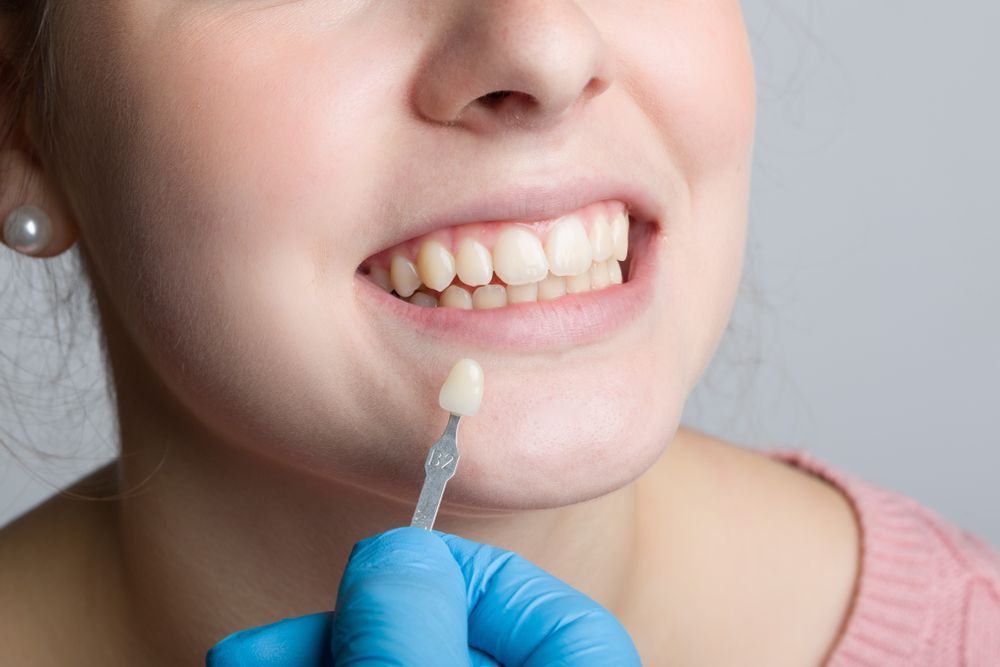
Professional teeth whitening should begin with an assessment of why teeth are discoloured and whether whitening is suitable. Not every type of discolouration responds in the same way, and existing restorations such as crowns, veneers and fillings will not necessarily change colour alongside natural teeth.
The condition of the teeth and gums also matters. Existing sensitivity, decay, cracks or gum problems may need to be considered before treatment begins.
Dentists can explain the whitening method, likely limitations and potential side effects such as temporary tooth sensitivity or gum irritation. Following the recommended product use and treatment protocol is important rather than assuming that stronger or longer exposure will automatically produce a better result.
How Do Dentists Protect Natural Teeth When Placing Veneers?
Veneer treatment should balance the desired cosmetic change with preservation of the underlying tooth. The amount of preparation required varies according to the patient's teeth, the type of veneer and the proposed result.
Planning is particularly important because some veneer treatments involve irreversible changes to natural tooth structure. Patients should understand what preparation is proposed and why before proceeding.
A dentist may also assess the patient's bite and habits such as tooth grinding or clenching. These factors can affect the forces placed on veneers and may influence treatment planning and aftercare.
If you're researching providers, our guide on what to look for in a Newcastle cosmetic dentist covers considerations including qualifications, communication and treatment planning.
How Is Dental Bonding Planned Safely?
Dental bonding uses tooth-coloured restorative material to alter aspects of a tooth's shape, repair certain defects or close suitable spaces. Although bonding can often be relatively conservative, the dentist still needs to assess the tooth and bite first.
The position of the bonding matters. Material placed in an area exposed to excessive biting or grinding forces may face a greater risk of chipping or wear.
A dentist can also explain the maintenance involved. Bonding may stain, wear or chip over time and does not necessarily have the same properties as natural enamel.
How Do Dentists Manage Pain and Dental Anxiety?
Pain management depends on the procedure being performed and the individual patient. Some cosmetic treatments require little or no local anaesthetic, while others involve preparation that may require anaesthesia to keep the patient comfortable.
Patients who feel anxious about dental treatment should discuss this during the consultation rather than waiting until the procedure begins. Knowing about previous dental experiences, triggers or concerns helps the clinical team plan the appointment more appropriately.
If anxiety is part of the picture, our guide Sedation & Pain Management in Cosmetic Dentistry: What You Should Know explains available approaches and important aftercare considerations.
Why Do Materials and Techniques Matter in Cosmetic Dentistry?
The materials used in cosmetic dentistry need to be appropriate for the intended clinical application. Dentists consider factors such as tooth position, bite forces, appearance and the amount of remaining natural tooth structure when recommending a restorative approach.
Technique is equally important. Adhesive procedures such as veneers and bonding rely on controlled preparation and bonding protocols, while successful whitening requires appropriate product selection and use.
Material selection can also affect maintenance. Patients should understand that cosmetic dental work isn't maintenance-free and that different restorations have different expected behaviours over time.
What Should Patients Expect Before Agreeing to Cosmetic Dental Treatment?
Before proceeding, you should understand what the proposed treatment involves, why it has been recommended and what reasonable alternatives may be available. The discussion should also cover relevant risks, limitations, costs and ongoing care.
It can help to ask questions such as:
- Is my mouth healthy enough for this treatment now?
- Will healthy tooth structure need to be removed?
- Are there more conservative alternatives?
- What limitations or risks apply to my case?
- What maintenance will I need afterwards?
- How could my bite affect the result?
- What happens if a restoration chips, wears or needs replacement?
Cosmetic treatment should involve informed decision-making rather than pressure to proceed immediately. If part of the plan isn't clear, ask for an explanation before consenting to treatment.
How Can You Choose Cosmetic Dentistry in Newcastle With Safety in Mind?
Look beyond before-and-after photographs when choosing a clinic. While examples of previous cosmetic work can help you understand a dentist's approach, safe care also depends on assessment, diagnosis, treatment planning, infection control and communication.
Ask how the dentist determines whether you're suitable for the procedure and what happens if they identify decay, gum problems or bite issues. You can also ask what diagnostic and planning tools they use and how they approach preserving natural tooth structure.
The main takeaway is that safe cosmetic dentistry starts before the cosmetic procedure itself. A thorough assessment, healthy teeth and gums, appropriate infection control, careful planning and informed consent all help clinicians manage risk while working towards an aesthetic result that also respects oral health and function.
If you're considering whitening, veneers, bonding or a broader smile makeover, Honeysuckle Dental can assess your oral health and discuss treatment options based on your individual needs. Contact our team to arrange a consultation and learn more about cosmetic dental treatment in Newcastle.
Frequently Asked Questions