How Do You Know If You Have A Rotten Tooth?
Have you ever woken up with a nagging toothache or noticed your tooth turning a strange shade? It's a discomfort many of us have experienced, but what does it really mean? In this blog post, we'll explore the signs of a rotten tooth, a common dental issue that mustn’t be ignored. From identifying symptoms to understanding treatment options, we aim to help you understand everything you need to know to keep your smile healthy and bright.
On this page:
- Identifying Symptoms of a Rotten Tooth
- The Role of Regular Dental Check-Ups in Preventing Tooth Decay
- Understanding the Dental Procedures for Treating a Rotten Tooth
- Dental Fillings
- Dental Crowns
- Root Canal Treatment
- Consequences of Neglecting a Rotten Tooth
- Preventive Measures and Oral Hygiene Tips
- Can a Tooth Rot Under a Dental Crown?
- Why Decay Still Happens
- Warning Signs to Watch For
- Treatment Options
- Explore Dental Care Options at Honeysuckle Dental – Contact Us Today!
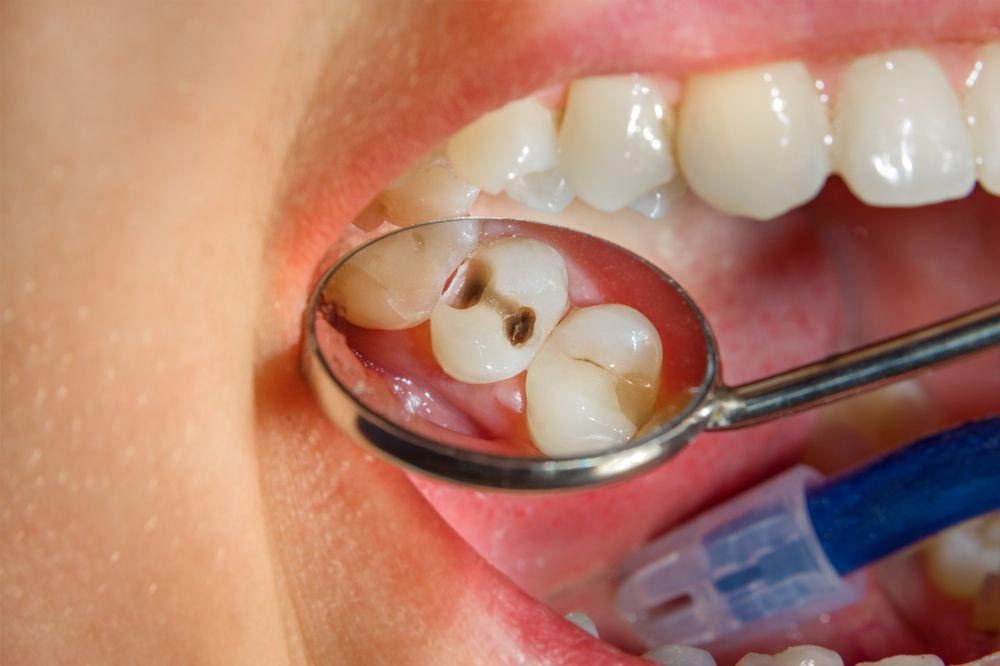
Understanding the early signs of a rotten tooth is important for timely dental care. Let's look at the common symptoms that indicate it might be time to see your dentist:
- Persistent Pain: A constant or recurring toothache can be a clear signal that something is amiss.
- Discolouration: Watch out for any unusual darkening or spots on your teeth.
- Sensitivity to Heat and Coldness: Experiencing sharp pain with hot or cold food items and drinks can be a symptom.
- Bad Breath or Taste: Persistent bad breath or a bad taste in your mouth could indicate decay.
- Swollen Gums: Swelling or tenderness around a tooth may be a sign of infection.
The Role of Regular Dental Check-Ups in Preventing Tooth Decay
Regular dental check-ups can play a significant role in potentially preventing tooth decay and identifying early signs of a rotten tooth. During these visits, dentists might identify issues that are not immediately obvious or causing discomfort. Using advanced tools, they can detect signs of decay, which might be manageable with less invasive treatments. These check-ups typically include professional cleaning, which can remove plaque and tartar build-up (known contributors to tooth decay). By attending these appointments, you can take steps towards maintaining your oral health and possibly preventing more serious dental issues in the future.
Understanding the Dental Procedures for Treating a Rotten Tooth
Dental Fillings
If decay is caught early, a filling might be used to remove decayed material and fill the cavity with a composite, possibly restoring the tooth.
For significant decay, a dental crown could be considered. This involves capping the affected tooth, potentially offering strength and protection.
Root Canal Treatment
In cases where decay reaches the nerve, a root canal might be necessary, involving the removal of the infected nerve and sealing the tooth to prevent further damage.
Consequences of Neglecting a Rotten Tooth
Ignoring a rotten tooth can lead to serious complications. Untreated decay may result in abscesses, which are painful infections that can spread to other parts of the body. Neglect can also lead to tooth loss, affecting your ability to chew and speak properly.
Moreover, there is growing evidence linking poor oral health to broader health issues, including heart disease. Therefore, timely dental intervention is not just about preserving your smile; it's about protecting your overall health.
Preventive Measures and Oral Hygiene Tips
Good oral hygiene is important in preventing dental issues like rotten teeth. Here are some straightforward yet vital tips to help maintain your dental health:
- Regular Brushing and Flossing: Brush twice a day and floss daily to remove plaque.
- Use Fluoride Toothpaste: Fluoride strengthens tooth enamel and prevents decay.
- Limit Sugary Foods and Drinks: Sugar contributes to tooth decay, so moderation is key.
- Regular Dental Check-Ups: Visit your dentist regularly for cleanings and check-ups.
- Wear a Mouthguard if Needed: Protect your teeth from injury during sports or from grinding at night.
Can a Tooth Rot Under a Dental Crown?
A crown protects the tooth it covers, but it doesn't stop decay altogether. The tooth structure underneath, along with the margin where crown meets gum, can still develop into one of the most stubborn cases of rotten teeth if bacteria find a way in.
Why Decay Still Happens
Several factors allow rotten teeth to develop even under an existing crown:
- Margin breakdown: small gaps can form between the crown and the tooth over time, letting bacteria in.
- Recurrent decay: new decay can start at the tooth-crown junction, even years after placement.
- Untreated decay left behind: if decay wasn't fully removed before the crown was fitted, it can continue spreading underneath, unnoticed.
Warning Signs to Watch For
A crowned tooth showing sensitivity, a dull ache, discolouration near the gumline or an odd taste in the mouth shouldn't be ignored. Left untreated, according to healthdirect, decay can progress into a cavity and eventually an abscess.
Depending on severity, treatment may involve recementing or replacing the crown, root canal therapy if decay has reached the nerve or extraction in advanced cases. Worried a crown might be hiding rotten teeth underneath? Book an appointment with Honeysuckle Dental in Newcastle.
Are you wondering how to tell if you have a rotten tooth? At Honeysuckle Dental, we're equipped to help you understand and address this concern. Our team is committed to providing clear informative and supportive dental care. If you're experiencing symptoms that indicate a rotten tooth or if it's time for your regular dental check-up, we're here to assist. You can reach out to us through our contact page or give us a call for more information.