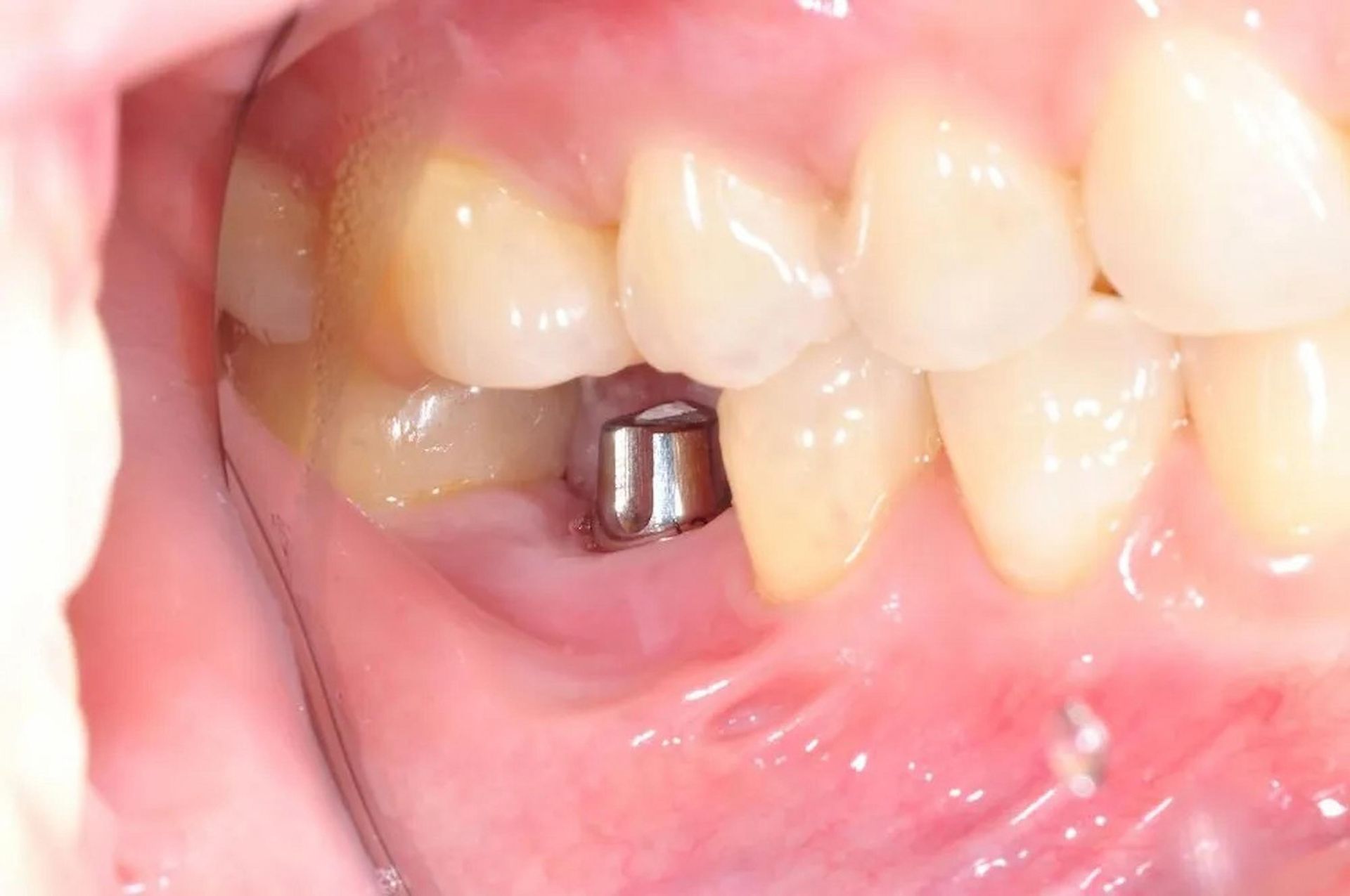
What To Expect After Dental Implant Surgery
Dental implant surgery is a common and well-established procedure used to replace missing teeth and restore both function and appearance. While the procedure itself is carefully planned and performed, understanding what happens after surgery is just as important for achieving a successful outcome.
If you’re considering or have already booked dental implants in Newcastle, knowing what to expect during recovery can help you feel more prepared, confident and comfortable throughout the healing process.
On this page:
- Understanding the Healing Process
- What to Expect Immediately After Surgery
- Managing Pain and Discomfort
- Eating and Drinking After Surgery
- Oral Hygiene and Care
- Activity and Rest
- Follow-Up Appointments
- Signs to Watch During Recovery
- Long-Term Care for Dental Implants
- How Long Until the Final Tooth Is Placed?
- Why Professional Guidance Matters
- Preparing for a Smooth Recovery
Understanding the Healing Process
After dental implant surgery, your body begins a natural healing process. The implant—typically made of titanium—is placed into the jawbone, where it gradually fuses with the bone in a process known as osseointegration.
This process is essential because it creates a stable foundation for the replacement tooth. Healing times can vary depending on the individual, but it often takes several weeks to a few months for the implant to fully integrate.
During this time, following professional advice and aftercare instructions is important to support proper healing and long-term success.
What to Expect Immediately After Surgery
In the first 24 to 48 hours after your procedure, it’s normal to experience some mild to moderate side effects. These may include:
- Swelling around the gums or face
- Minor bleeding at the implant site
- Discomfort or tenderness
- Bruising in some cases
These symptoms are typically temporary and should gradually improve over the first few days. Your dental professional may recommend pain relief options and provide specific instructions to help manage any discomfort safely.
Managing Pain and Discomfort
Most patients find that discomfort after dental implant surgery is manageable and improves within a few days. Helpful strategies may include:
- Taking prescribed or recommended pain relief as directed
- Applying a cold compress to reduce swelling
- Resting and avoiding strenuous activity
If pain increases rather than improves, or if you have concerns about your recovery, it is important to contact your dental provider promptly. For those undergoing dental implants in Newcastle, your dental team will guide you on appropriate pain management based on your individual needs.
Eating and Drinking After Surgery
Your diet plays an important role in the healing process. In the first few days, it is generally recommended to stick to soft foods such as:
- Yoghurt
- Soups (cooled to a safe temperature)
- Mashed vegetables
- Smoothies
You should avoid:
- Hard or crunchy foods
- Very hot foods or drinks
- Chewing directly on the implant site
As healing progresses, you can gradually return to your normal diet based on your dentist’s advice.
Oral Hygiene and Care
Maintaining good oral hygiene is essential after dental implant surgery, but it must be done carefully to avoid disturbing the healing area. General recommendations may include:
- Gently brushing teeth while avoiding the surgical site
- Using any prescribed mouth rinses as directed
- Keeping the area clean without applying excessive pressure
Proper hygiene helps reduce the risk of infection and supports the healing process. Patients receiving dental implants in Newcastle are typically provided with detailed aftercare instructions tailored to their treatment.
Activity and Rest
Rest is important in the initial recovery period. It is usually recommended to avoid strenuous activities for at least a few days after surgery. Physical exertion can increase blood flow and potentially lead to:
- Increased swelling
- Bleeding at the surgical site
- Delayed healing
Gradually returning to normal activities is generally advised once you feel comfortable and your dentist confirms it is appropriate.
Follow-Up Appointments
Follow-up visits are an important part of the dental implant process. These appointments allow your dentist to:
- Monitor healing progress
- Check the stability of the implant
- Address any concerns or complications
Attending all scheduled appointments helps ensure that your treatment progresses as planned.
Signs to Watch During Recovery
While most patients recover without complications, it is important to be aware of any unusual symptoms. You should contact your dental provider if you experience:
- Persistent or worsening pain
- Excessive swelling that does not improve
- Signs of infection such as fever or discharge
- Difficulty chewing or unusual implant movement
Early attention to these symptoms can help prevent more serious issues.
Long-Term Care for Dental Implants
Once healing is complete, dental implants are designed to function like natural teeth. However, ongoing care is essential to maintain their longevity. Long-term care includes:
- Regular dental check-ups
- Consistent oral hygiene practices
- Avoiding habits that may damage the implant (such as chewing very hard objects)
With proper care, dental implants can provide a durable and reliable solution for missing teeth.
How Long Until the Final Tooth Is Placed?
In many cases, the dental implant process involves multiple stages. After the implant has fully integrated with the bone, a crown (replacement tooth) is attached. The timeline for this step depends on:
- Individual healing rates
- The complexity of the procedure
- Whether additional treatments (such as bone grafting) were required
Your dentist will provide a personalised timeline based on your treatment plan.
Why Professional Guidance Matters
Dental implant procedures involve both surgical and restorative steps, making professional care essential throughout the process. A dental provider can:
- Assess your suitability for treatment
- Provide clear aftercare instructions
- Monitor healing and address any concerns
- Ensure the implant is placed and maintained correctly
If you are considering treatment, learning more about dental implants in Newcastle can help you understand the process and what to expect before and after surgery.
Preparing for a Smooth Recovery
Recovery after dental implant surgery is generally straightforward when proper care is followed. By understanding what to expect and taking a proactive approach to aftercare, patients can support healing and reduce the risk of complications.
If you are planning to undergo dental implants in Newcastle, speaking with your dental provider and following their guidance can help ensure a safe, comfortable and successful recovery.
Being informed and prepared allows you to approach your treatment with confidence—knowing you are taking the right steps toward restoring your smile and oral health. Contact Honeysuckle Dental to arrange a consultation today.