Why More Newcastle Locals Are Choosing Dental Implants Over Dentures
Many adults don’t realise how much tooth loss can gradually influence everyday life until small compromises start to appear. Meals may become softer, certain foods avoided and conversations approached a little more cautiously. Even a single missing tooth can affect chewing comfort, speech clarity and overall confidence. For people exploring tooth replacement options, understanding the long-term differences between treatments becomes an important step. Interest in dental implants in Newcastle has grown steadily as more people compare modern implant treatment with traditional removable dentures. While dentures have helped restore smiles for generations, dental implants represent a different approach to tooth replacement by integrating directly with the jawbone. This structural difference influences how teeth function, how stable they feel and how they support long-term oral health.
When weighing up these options, many adults begin looking beyond short-term convenience and focusing on durability, comfort and overall oral function.
The Stability Advantage That Implants Provide
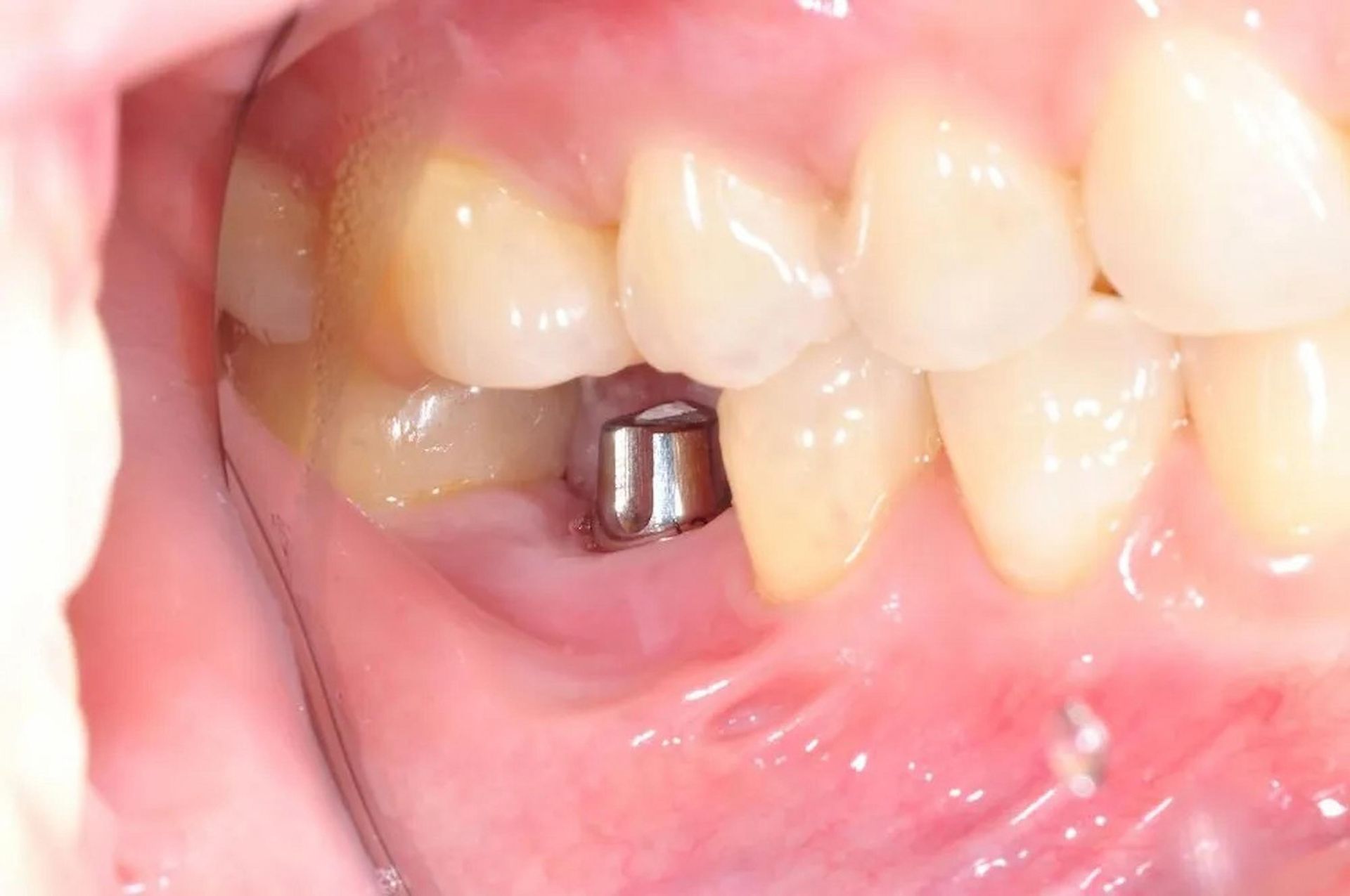
One of the most noticeable differences between implants and dentures is how securely the replacement teeth are supported. Dental implants are designed to anchor within the jawbone, creating a fixed foundation that supports the restoration in a way that more closely resembles natural teeth. This structural integration can influence how comfortably patients perform everyday activities like speaking and eating. When suitable for the patient, implants provide stability that removable appliances cannot replicate.
Several structural characteristics contribute to the stability implants provide:
- Implant posts integrate with the jawbone through a natural healing process
- Replacement teeth remain firmly supported during daily activities
- Speech may feel more predictable without appliance movement
- Chewing pressure is distributed more evenly across the bite
Because implants function as artificial tooth roots, they provide a level of stability that often feels more natural than removable restorations.
Preserving Jawbone Health Over Time
When a natural tooth is lost, the surrounding jawbone gradually loses stimulation. Over time, this lack of stimulation can contribute to bone resorption, which slowly changes the shape and density of the jaw. Dental implants are designed to address this issue by acting as artificial roots that interact with the bone during chewing. This stimulation helps maintain bone structure when implants are properly integrated.
The interaction between implants and the jawbone supports several structural advantages:
- Ongoing stimulation that may help maintain bone density
- Reduced likelihood of significant bone shrinkage over time
- Greater support for surrounding teeth and structures
- Improved stability for long-term restorations
Dentures, by comparison, sit above the gums and do not stimulate the bone in the same way, which can lead to gradual changes in fit as the jaw evolves.
Everyday Eating Becomes More Comfortable
Eating comfortably is one of the most practical considerations when replacing missing teeth. Removable dentures can sometimes shift slightly while chewing, particularly when eating firmer or textured foods. Implant-supported restorations are designed to provide stronger bite stability because they are anchored within the jaw.
This structural support may improve chewing function in several ways:
- Greater bite strength compared with removable appliances
- Less movement while eating a variety of foods
- Improved ability to chew firmer textures
- More even distribution of chewing pressure
Many patients report that implant restorations feel more stable during meals, allowing them to enjoy a broader range of foods.
Reduced Maintenance Compared With Dentures
Daily care is another factor patients consider when comparing tooth replacement options. Dentures require removal for cleaning and often involve adhesives or specialised products to maintain stability throughout the day. Implant restorations are maintained in a way that closely resembles natural tooth care.
Because implants function like natural teeth, maintenance typically involves:
- Brushing and flossing as part of a normal oral hygiene routine
- No need for overnight removal or soaking
- No reliance on adhesives for stability
- Regular professional check-ups to monitor implant health
Although good oral hygiene remains essential, many patients appreciate the familiarity of caring for implants in the same way as their natural teeth.
Long-Term Durability That Supports Future Oral Health
Durability is a major reason more adults are exploring implant dentistry as a long-term solution to tooth loss. Dental implants are typically made from biocompatible materials designed to integrate with the jawbone and support long-lasting restorations. When properly maintained and monitored by a dental professional, implants can function effectively for many years.
Several factors contribute to their long-term durability:
- Titanium implant posts designed for structural strength
- Crowns or bridges that can be replaced without removing the implant
- Reduced need for adjustments caused by shifting appliances
- A stable foundation that supports long-term treatment planning
Dentures may require relining or replacement over time as the jawbone gradually changes shape.
Confidence In Speaking & Social Interaction
Speech clarity can be affected when dental appliances shift during conversation. Dentures may occasionally move slightly during certain sounds, particularly if the fit has changed over time. Implant-supported restorations remain fixed within the mouth, which can contribute to more predictable speech patterns.
Fixed restorations can support clearer communication through:
- Reduced movement during conversation
- Greater stability when pronouncing certain sounds
- Less reliance on adhesives to maintain position
- Improved confidence during social interactions
Many individuals appreciate the sense of security that comes with knowing their replacement teeth remain stable throughout the day.
A Customised Approach To Tooth Replacement
Implant treatment is carefully planned based on each patient’s individual oral health, bone structure and restorative goals. Dentists use imaging and diagnostic assessments to determine whether implants are suitable and how they should be placed. This planning process ensures the restoration integrates properly with the patient’s existing bite and surrounding teeth.
Implant dentistry may involve several tailored treatment approaches:
- Single dental implants to replace individual missing teeth
- Implant-supported bridges for multiple missing teeth
- Full-arch implant restorations for extensive tooth loss
- Integration with restorative and cosmetic dental treatments
This customised approach allows treatment plans to address both functional needs and aesthetic outcomes.
Supporting Overall Oral Function & Comfort
Replacing missing teeth plays an important role in maintaining the balance of the dental arch. When gaps remain untreated, surrounding teeth may gradually shift into the space, potentially altering bite alignment. Implant restorations help stabilise the dental structure by filling the gap with a securely supported tooth replacement.
When a missing tooth is replaced with an implant-supported restoration, it may help support:
- Stability of neighbouring teeth within the dental arch
- Balanced distribution of chewing forces
- Maintenance of natural bite alignment
- Long-term comfort during everyday oral function
By restoring both structure and function, implants can contribute to maintaining the overall harmony of the mouth.
Explore Your Tooth Replacement Options
If you are weighing up the differences between dentures and implants, understanding the long-term benefits of each option is an important first step. We at Honeysuckle Dental help patients explore whether dental implants in Newcastle may be a suitable solution for restoring missing teeth while supporting long-term oral health.
Our team can guide you through the implant process, explain what treatment may involve and assess your individual oral health needs. If you are considering a more stable and long-lasting alternative to dentures, contact us today to book a consultation or speak with our dental professionals about your tooth replacement options.